Smart Kids, Cool Teacher, Funny Teacher
As an embroidery designer and product reviewer, I’ve seen my fair share of digital designs that promise a lot but deliver little. Smart Kids, Cool Teacher, Funny Teacher is one that feels like it could work well for the right project—but only if you know how to use it properly.
First Impressions: A Design That Speaks to the Heart
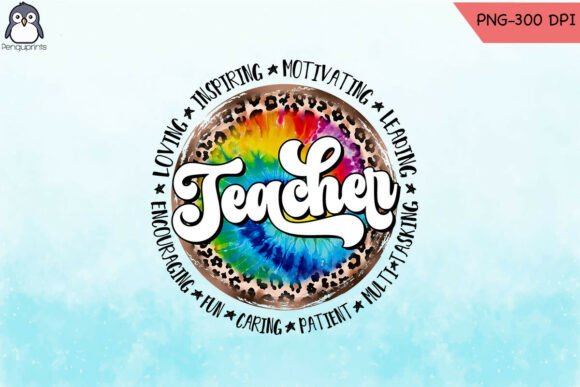
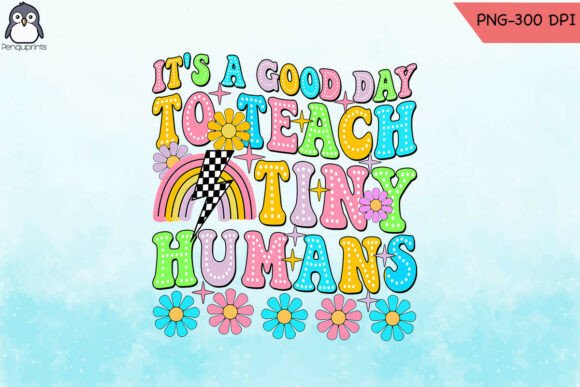
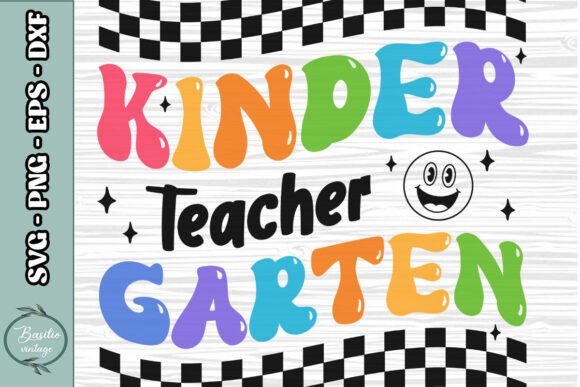
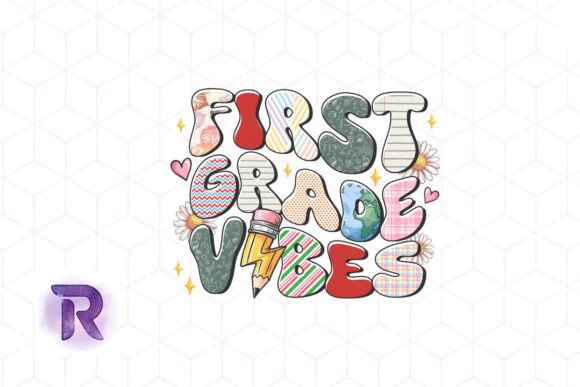
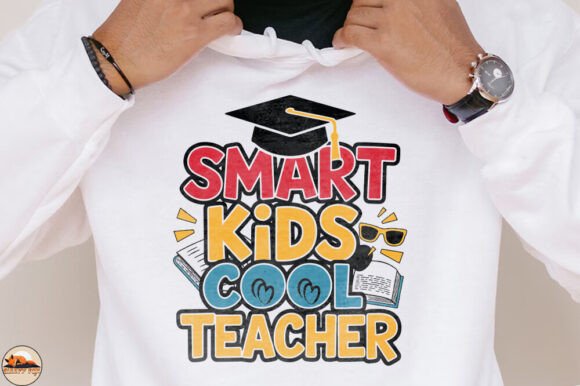
The first thing that stands out about Smart Kids, Cool Teacher, Funny Teacher is its playful, approachable vibe. The design seems to be aimed at educators, parents, and kids, with a mix of humor and warmth that makes it feel personal. The layout is clean, with a clear focal point that suggests it would work best as a central embroidered element rather than a background pattern.
The visual personality is friendly and expressive, with enough detail to make it engaging without being overwhelming. It’s the kind of design that could easily translate into a custom embroidered tote bag or a sweatshirt for a teacher who loves a good joke.
Real-World Embroidery Performance
When considering how Smart Kids, Cool Teacher, Funny Teacher performs in real embroidery situations, it’s important to think about where it will be used. The design files provided—PNG, SVG, PDF, and EPS—are versatile and suitable for a range of applications, from apparel to home decor. However, the success of the final product depends on how well the design translates through different materials and techniques.
For example, if you’re planning to use this design on a baby onesie or a personalized pillow cover, the stitch density and placement of details matter. A design with too much fill stitch might not look great on thin or stretchy fabric. Similarly, if you’re working on a cap or a hat, the curved surface can affect how the design appears once stitched.
On the other hand, if you’re creating a custom sweatshirt or a tote bag design, Smart Kids, Cool Teacher, Funny Teacher could shine. The boldness of the design allows it to stand out, and the clarity of the lines and shapes makes it easy to follow during the stitching process.
Where to Use It Carefully
There are a few areas where Smart Kids, Cool Teacher, Funny Teacher may require extra attention. If you’re working with small hoop sizes, the design might need to be split or adjusted to fit. This can be a hassle, especially if you’re trying to maintain the integrity of the original artwork.
Textured fabrics, dark colors, or stretchy materials can also impact how the design looks after embroidery. For instance, a satin stitch on a dark fabric might not show up as clearly as it would on a lighter background. You’ll want to test the design on scrap fabric before committing to a full project.
Another consideration is the detail level. If there are tiny lettering or intricate corners, those areas may not hold up well under repeated washing or heavy use. This is something to keep in mind if you’re making a handmade product that will be used frequently.
Impact on Visual Appeal and Customer Perception
Smart Kids, Cool Teacher, Funny Teacher has the potential to add a unique touch to any project. Its charm and humor can make a finished product more appealing, especially when it comes to personalized gifts or custom apparel. Customers often appreciate designs that feel authentic and thoughtful, and this one does that well.
From a business perspective, using this design can help build brand consistency, especially if you’re targeting a niche audience like teachers, parents, or children. It can also enhance the value of your handmade products, making them more attractive to buyers looking for something special.
However, it’s important to ensure that the design aligns with your overall aesthetic. If your brand is more minimalist or formal, this design might not fit as well. Always consider how the design will look in different contexts before deciding to use it.
Practical Designer Notes
Before jumping into a project with Smart Kids, Cool Teacher, Funny Teacher, here are a few things to keep in mind:
- Test on scrap fabric: Always check how the design looks on the actual material you plan to use. This helps avoid surprises later.
- Check thread color contrast: Make sure the thread color complements the fabric and enhances the design’s visibility.
- Review stitch density: Avoid overloading the design with too many stitches, which can cause puckering or distortion.
- Confirm hoop size: Ensure the design fits within your machine’s hoop limitations without requiring excessive splitting.
- Inspect small details: Pay attention to fine lines, corners, and lettering to ensure they remain clear after stitching.
- Test in black and white: Sometimes, the design may look different in monochrome, so it’s worth checking.
- Compare light and dark backgrounds: Some elements may not show up as well on certain fabrics, so test both options.
- Use proper stabilizer: This is crucial for maintaining the shape and quality of the design, especially on stretchy or delicate fabrics.
- Check licensing: If you plan to sell finished items or digital products, confirm that the design allows for commercial use.
Final Thoughts: A Design That Needs the Right Context
Smart Kids, Cool Teacher, Funny Teacher is a design that can work well in the right setting. It has a friendly, engaging style that can elevate a variety of projects, from custom apparel to holiday gifts. However, its success depends on how well it’s adapted to the specific needs of the project and the materials being used.
If you’re an embroidery designer, Etsy seller, or small shop owner, this design could be a useful addition to your collection—if you take the time to understand its strengths and limitations. With careful consideration and testing, it can become a valuable part of your creative toolkit.